The map has its charms, but we live in the territory.
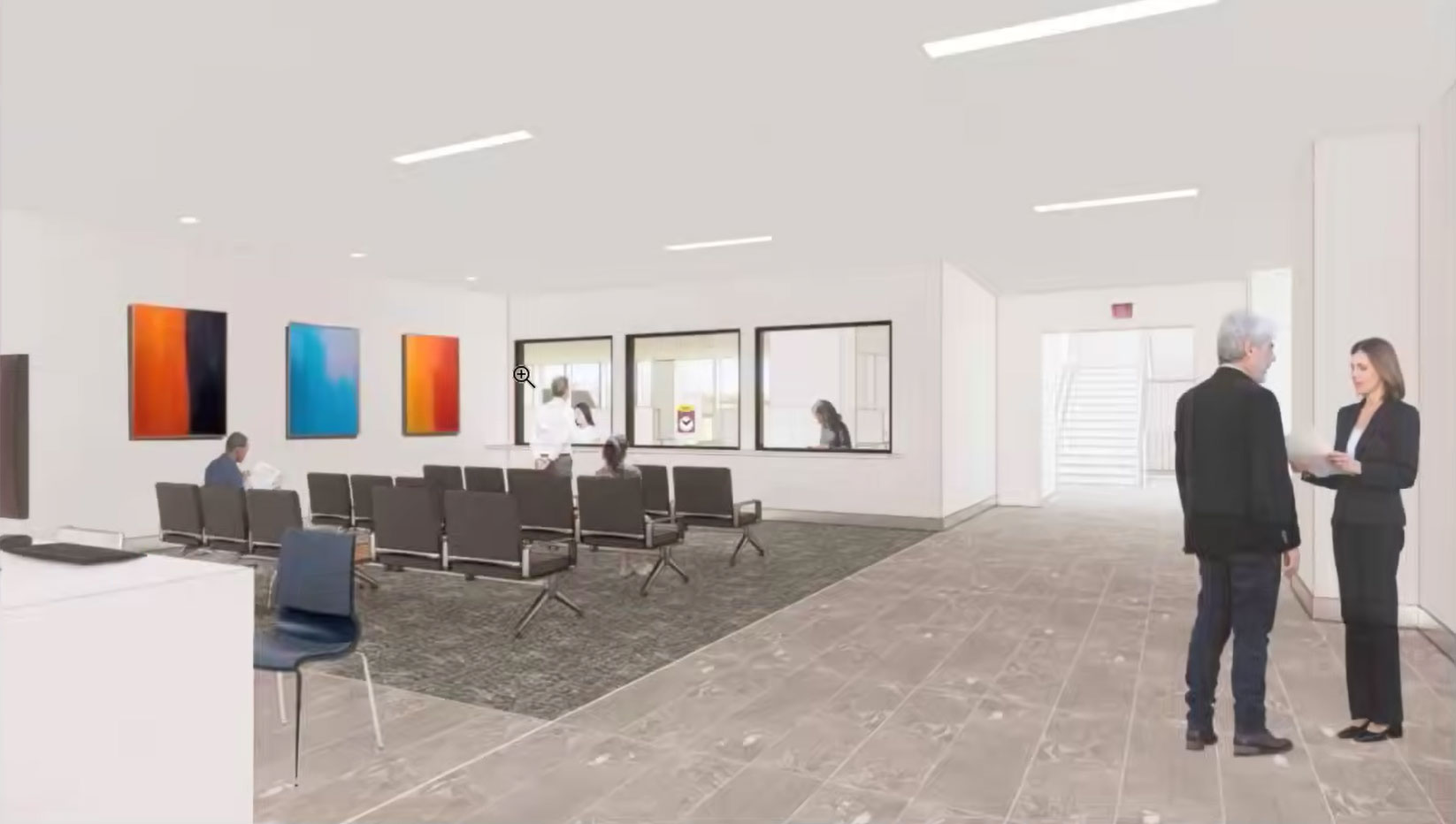
To some extent, I feel like I’m in competition with Enscape. It’s not the first software intended to aid architects in visualizing walking through their as-yet unbuilt project. But the prior tools enforced a layer of abstraction such that at least half the intended experience occurred in the mind’s eye; no one would describe a sketchup walkththrough as a photorealistic experience. Enscape, on the other hand, just shows you what it’s going to look like.
Well, not quite. Because in Enscape light comes from nowhere and everywhere and somewhere just out of frame. Ceilings, walls, and floors are perfectly uniform. And simply by getting the first chance at painting in the canvas Enscape can sometimes create the impression that its uncanny ambient lighting treatment is what the final experience should be.
Is this heaven
But hey, maybe perfect uniformity is what we want! Well, probably not. Artful composition requires, and arguably is, creation of a visual hierarchy. If we light everything evenly we’re missing out on the opportunity to provide any guidance on what’s important, and how the objects in a scene should relate to each other, and how the components should be understood to make a whole.
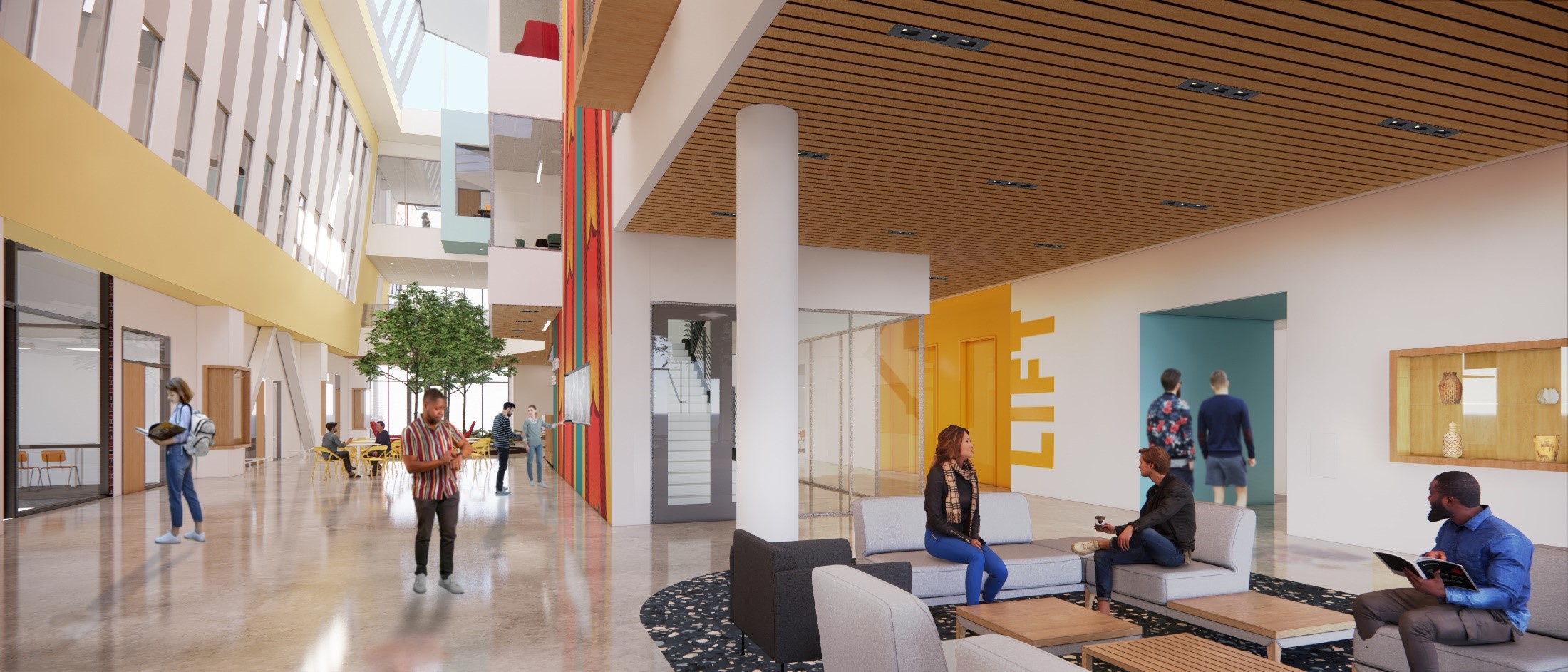
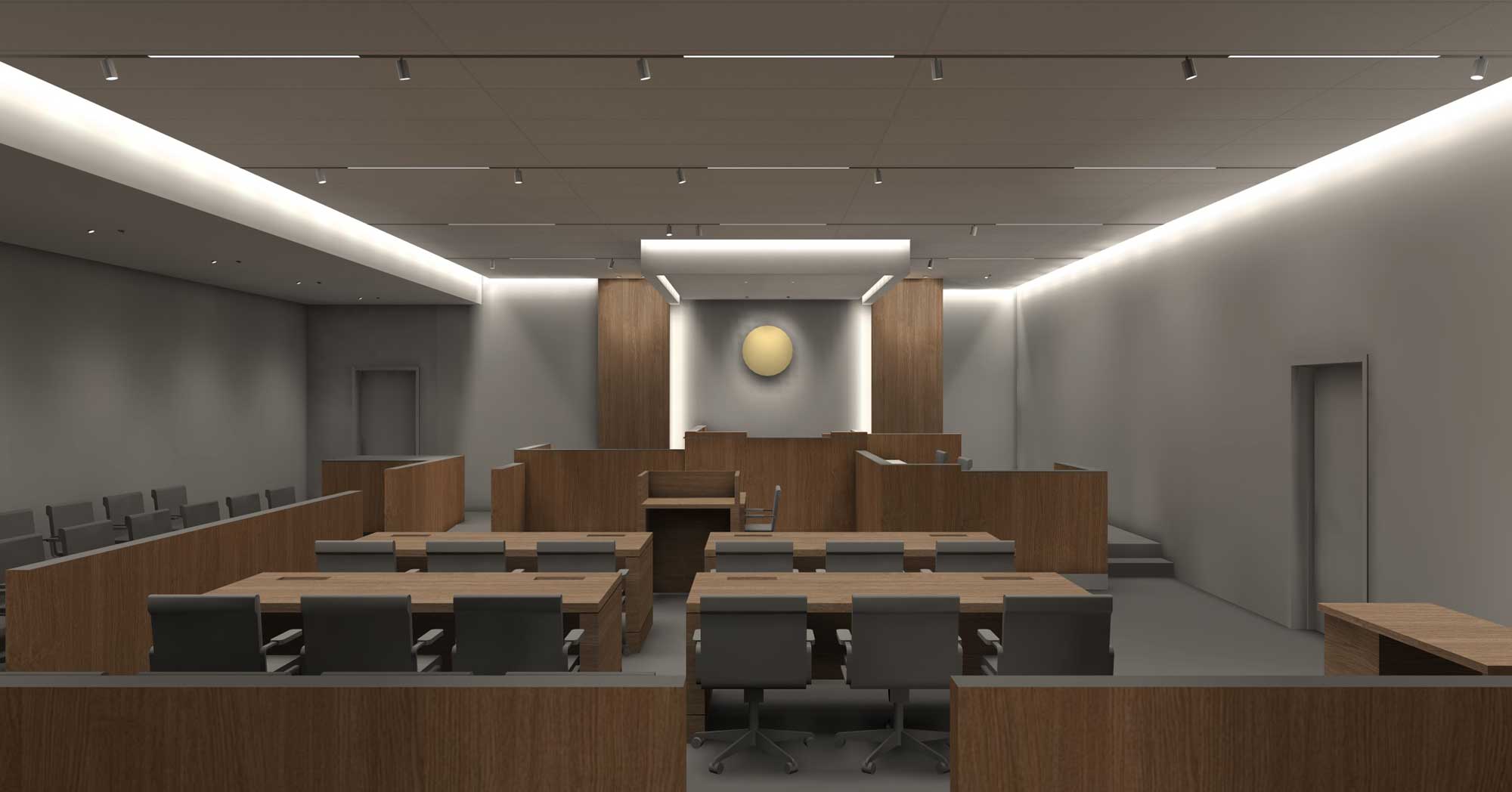
Consider the Enscape-derived rendering at left, and the walkthrough generated from our calculation software. The top image is more photorealistic. But the visual hierarchy created by the lighting creates compositional moments as we move through the space. It tells a story.
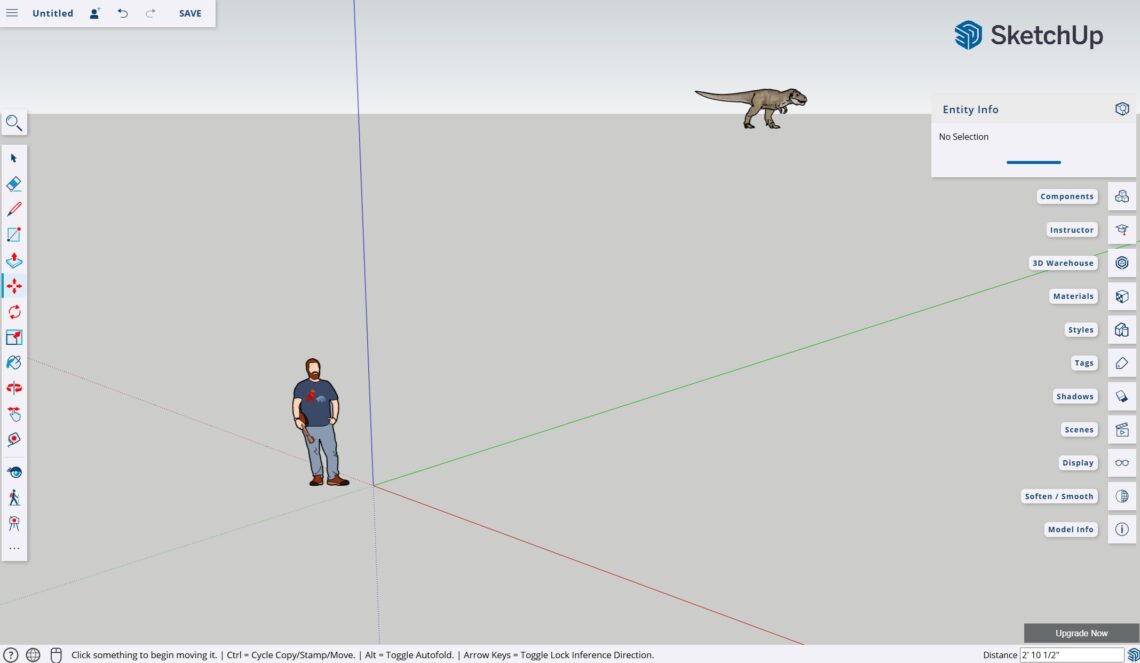
Remember that our fovea, the part of our eye that is capable of resolving full color and detail, is only 2 degrees of our vision; the rest is peripheral. Try keeping your eye fixed on the dinosaur in the image at the top of this post and reading the text next to it at the same time. It seems like you should be able to, but the text won’t quite come into focus.
So what we “see” is actually a near-instantaneous impression of the tiny area of color and focus as our eye darts around the scene, plus impressions of forms from peripheral vision, with the missing bits filled in by our brain. Guiding how the eye moves around the scene is important in creating that mental picture, and I feel like the ease of these versimilitudinous tools are undercutting that aspect of design a bit.
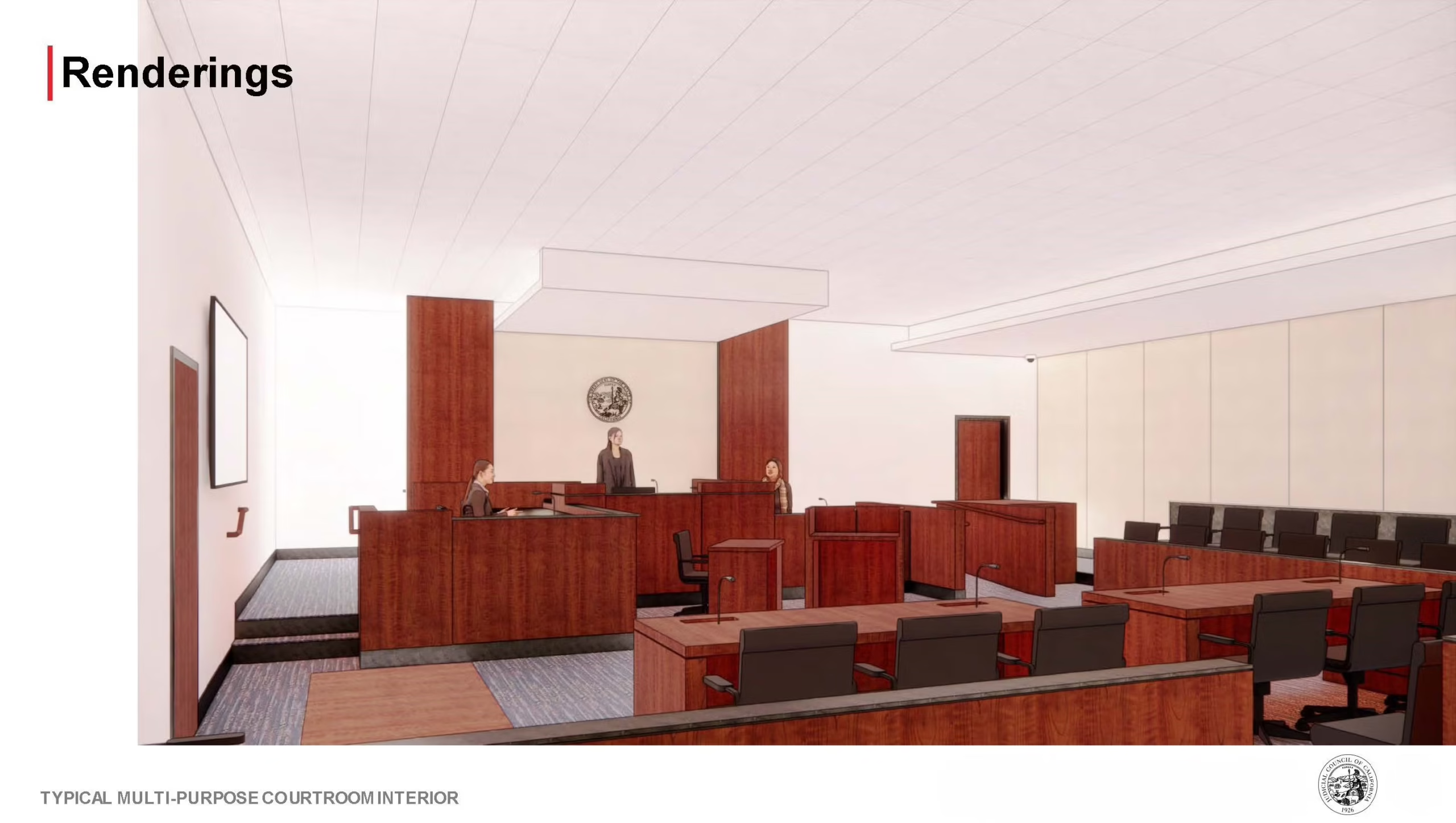
Wouldn't you rather be arraigned in this courtroom?
I’m not making an argument here against technology in general or Enscape in particular; in fact I’m quite interested in technology as it relates to art and design. I’m merely saying that while the map has its undeniable charms, we live in the territory.